Happening Today At
Green Meadows Petting Farm
Apr 20 Sat The petting farm is open for for visitors! Our Petting Farm in Urbana, MD is conveniently located in south Frederick County near Montgomery Co., Howard Co., Baltimore, Washington, D.C. and Northern Virginia. Book a field trip or bring the family and come out to the farm for some Farm Fun. Get up-close and hands-on with our 150 plus animals as well as go on a hay ride, watch a pig race and get a free animal feed! We also have many play areas for the children to enjoy. No reservation needed, just buy a ticket at the gate or purchase one on our website. Admission is charged for everyone ages 2 to 82 (children 23 months and younger are free). Admission is $16.00 (credit only, we are cashless!) Check out our Urbana Petting Farm Page for more details or visit us on Facebook! NO reservations required!
ADMISSION HOURS ARE FROM 10:00 A.M. TO 3:00 P.M. The farm closes at 4:30 P.M.
Subscribe
The petting farm is open for for visitors! Our Petting Farm in Urbana, MD is conveniently located in south Frederick County near Montgomery Co., Howard Co., Baltimore, Washington, D.C. and Northern Virginia. Book a field trip or bring the family and come out to the farm for some Farm Fun. Get up-close and hands-on with our 150 plus animals as well as go on a hay ride, watch a pig race and get a free animal feed! We also have many play areas for the children to enjoy. No reservation needed, just buy a ticket at the gate or purchase one on our website. Admission is charged for everyone ages 2 to 82 (children 23 months and younger are free). Admission is $16.00 (credit only, we are cashless!) Check out our Urbana Petting Farm Page for more details or visit us on Facebook! NO reservations required!
ADMISSION HOURS ARE FROM 10:00 A.M. TO 3:00 P.M. The farm closes at 4:30 P.M.
UPCOMING EVENTS
Please NO pets or service animals – NO exceptions!
USDA Licensed & Inspected
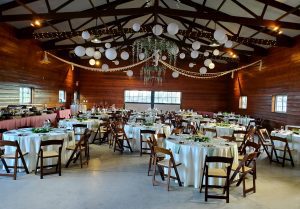
Birthday Parties/Party Space

Green Meadows has party packages for children (and adults).
Our tents are great to reserve for businesses too!
We provide a covered gathering spot for friends, family
and co-workers as they enjoy our farm.
Parties available year-round!